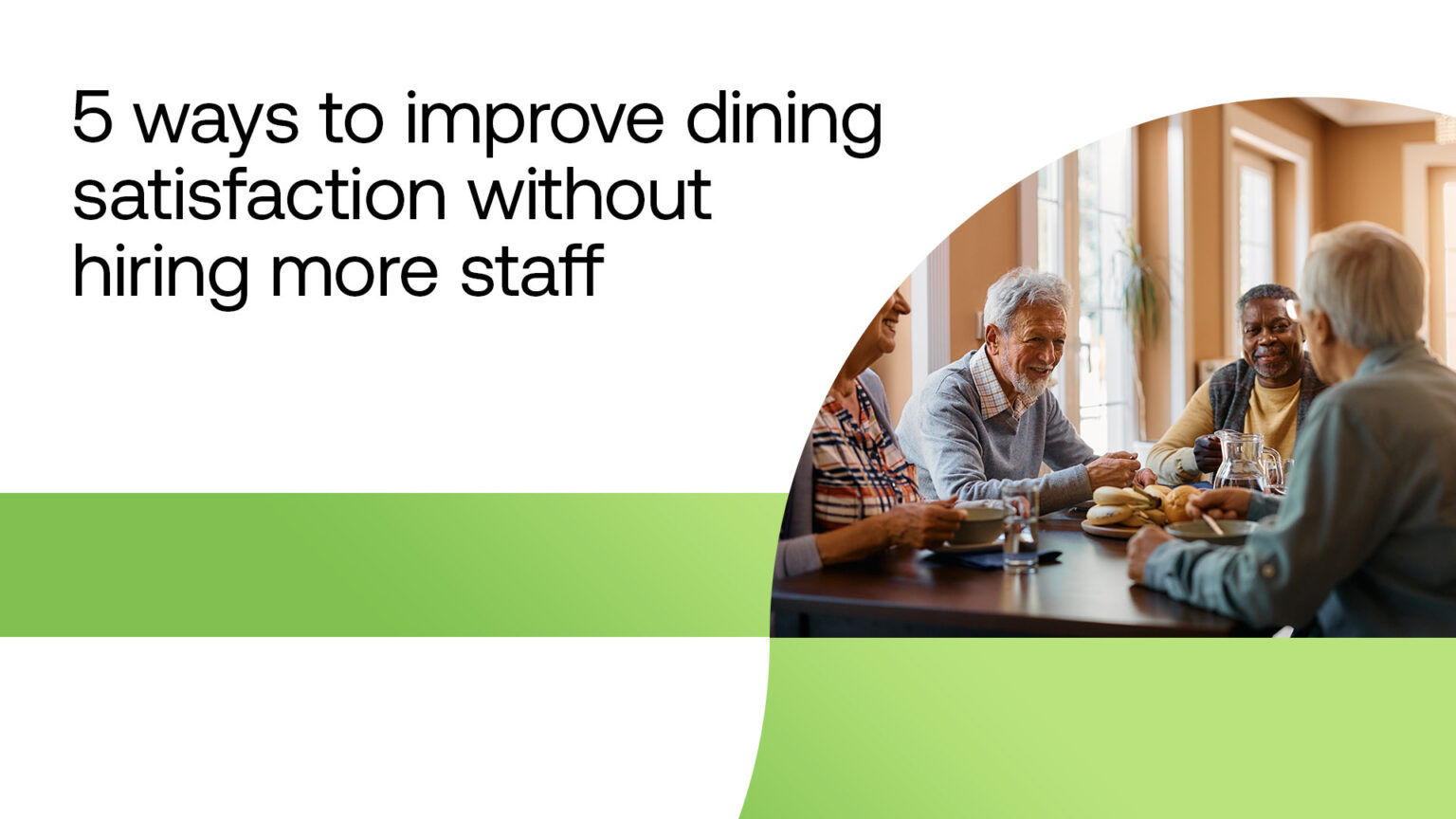
When you manage a senior living community, you know dining is more than feeding people. It’s a daily ritual, a social touchpoint, a moment of dignity. But budgets are tight, and staffing is already stretched. The good news: you can raise dining satisfaction without simply adding more bodies. Below are five research-backed strategies you can begin testing tomorrow.
Use Technology to Make Ordering Smarter & Leaner
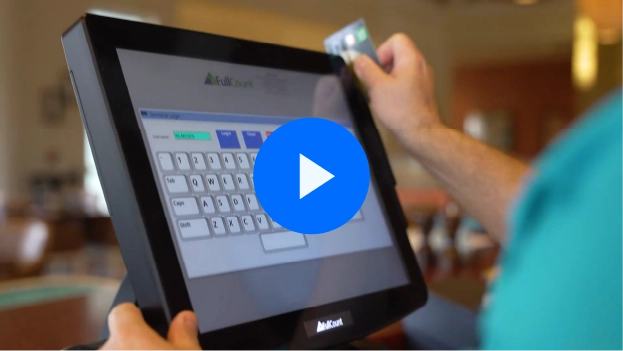
One of the biggest drag points in dining is inefficiency: wrong orders, long wait times, miscommunications, manual tracking. With a smart Point of Sale (POS) tool tailored for senior living, you can remove friction and free up staff time for relationship work.
- Digital menus and ordering (tablets, kiosks, or on residents’ devices) let residents see full options, photos, nutrition flags, and make choices independently. That reduces back-and-forth.
- Orders feed directly to the kitchen, cutting down manual re-entry, reducing mistakes, and speeding service.
- Auto inventory checks let you spot over-ordering, waste, or supply shortages proactively.
By streamlining “behind the scenes,” staff spend less time chasing details and more time serving or connecting with residents.
Make the Dining Experience More Person-Centered
Satisfaction often hinges on how much residents feel heard, how much control they have. You don’t have to guess what people like, just ask.
- Use tools like PELI (Preference-based Living) to systematically record residents’ food preferences, meal timing preferences, flavor profiles, favorite dishes, etc. When residents perceive their choices are respected, satisfaction rises.
- Offer consistent, meaningful choices (not just “soup or salad”). For example, allowing different protein, side, or condiment options.
- Involve residents in menu planning (food committees, tasting events, surveys). This gives them ownership and insight into constraints.
- Rotate in familiar or heritage dishes periodically so it feels comforting, not purely experimental.
You might find that a small change like adding a resident favorite side dish more often yields strong goodwill.
Optimize Menu & Ingredient Use
If you design your menus more smartly, you can preserve or even improve variety and quality without needing more cooks.
- Use seasonal ingredients and flexible recipes that can be repurposed (e.g. roast chicken used one day, shredded chicken salad the next). That reduces waste and frees capacity.
- Lean into more plant-forward dishes (grains, legumes) which often cost less and allow smaller portions of expensive proteins.
- Engineer menu variety intelligently. For example, ensure items share subcomponents (sauces, sides) to reduce unique ingredients.
When your kitchen isn’t juggling dozens of entirely distinct dishes, it gains flexibility to polish each offering.
Improve the Dining Ambience & Sensory Experience
Sometimes satisfaction isn’t about the food so much as how it’s experienced. With modest investment, you can make meals feel more special and comfortable.
- Lighting, acoustics, décor: ensure good light (not glare), reduce noise echo (using soft surfaces, acoustic tiles), and create a warm, calm environment.
- Table settings and visual contrast: use plates that contrast food colors, cloth napkins, attractive garnishes. That stimulates appetite and makes presentation feel intentional, not institutional.
- Seating and spacing: comfortable chairs with supportive arms, enough room for walkers or wheelchairs, avoid crowded layouts.
- Themed meals, pop-up dining, special event nights: turning one meal a week/month into something a bit festive makes a difference.
These changes don’t need extra staff, they just require thinking like a guest rather than just a meal producer.
Close the Feedback Loop & Use Data Wisely
You can’t fix what you don’t measure. The key is not just collecting feedback but acting on it visibly.
- Use short resident surveys (paper or digital), comment cards, post-meal check-ins, or concierge calls to gather feedback regularly on taste, service, presentation, timing.
- Aggregate data: look for trends (e.g. “Sundays always score lower,” or “vegetarian options consistently rated lower”).
- Make small “quick wins” publicly known. If residents asked for more fruit options and you add them, communicate “You asked—we added” so feedback feels respected.
- Close the loop with residents: show what you changed because of their input and solicit further ideas. That reinforces that their voice matters.
- Use the data to adjust menus, production, ordering, and staffing allocations more intelligently. You want your resources applied where they matter most.
Over time, you’ll build a culture of continuous improvement while resident expectations shift positively.
Putting This into Motion
You don’t have to do all five at once. Here’s a possible rollout:
- Start small: initiate a resident food committee, launch a short post-meal survey.
- Pick your tech piece: pilot a digital ordering or POS enhancement in one dining room.
- Rework a menu cycle with cross-use ingredients and seasonal items.
- Tweak ambience in one room (table settings, lights, soft surfaces) and pilot a themed meal night.
- Use data from surveys and ordering to refine the next cycle, then scale successes.
Conclusion
Increasing dining satisfaction doesn’t always mean hiring more staff. With smarter tools, a focus on resident preference, menu optimization, attention to ambience, and a strong feedback loop, you can improve the experience, reduce friction, and build goodwill. Over time these incremental changes compound: happier residents, more positive word-of-mouth, and stronger competitive positioning.