


In senior living communities, meals are more than just nourishment; they’re a daily opportunity to improve residents’ quality of life and longevity. With the right dietary principles and culinary creativity, communities can help residents live longer, healthier lives without sacrificing flavor or enjoyment.
Two powerful tools are reshaping senior dining: the Longevity Diet, a science-backed plan focused on healthy aging, and engaging culinary programs that introduce residents to flavorful, health-boosting ingredients. Here’s how communities can start bringing these ideas to the table:
Created by Dr. Valter Longo, the Longevity Diet focuses on foods and habits that support long-term health. It’s inspired by eating patterns in “Blue Zones” places like Okinawa and Sardinia where people frequently live past 100.
Key elements include:
According to an article by Verywell Health, these choices help reduce inflammation, support cellular repair, and lower the risk of chronic diseases like heart disease and diabetes which are common concerns for aging adults.
This way of eating isn’t about restricting the consumer, it’s about protection. The Longevity Diet is designed to:
It also aligns well with dietary needs that naturally shift with age, such as lower caloric needs but higher nutritional density.
Of course, no diet plan works unless it tastes good. That’s where culinary creativity comes in.
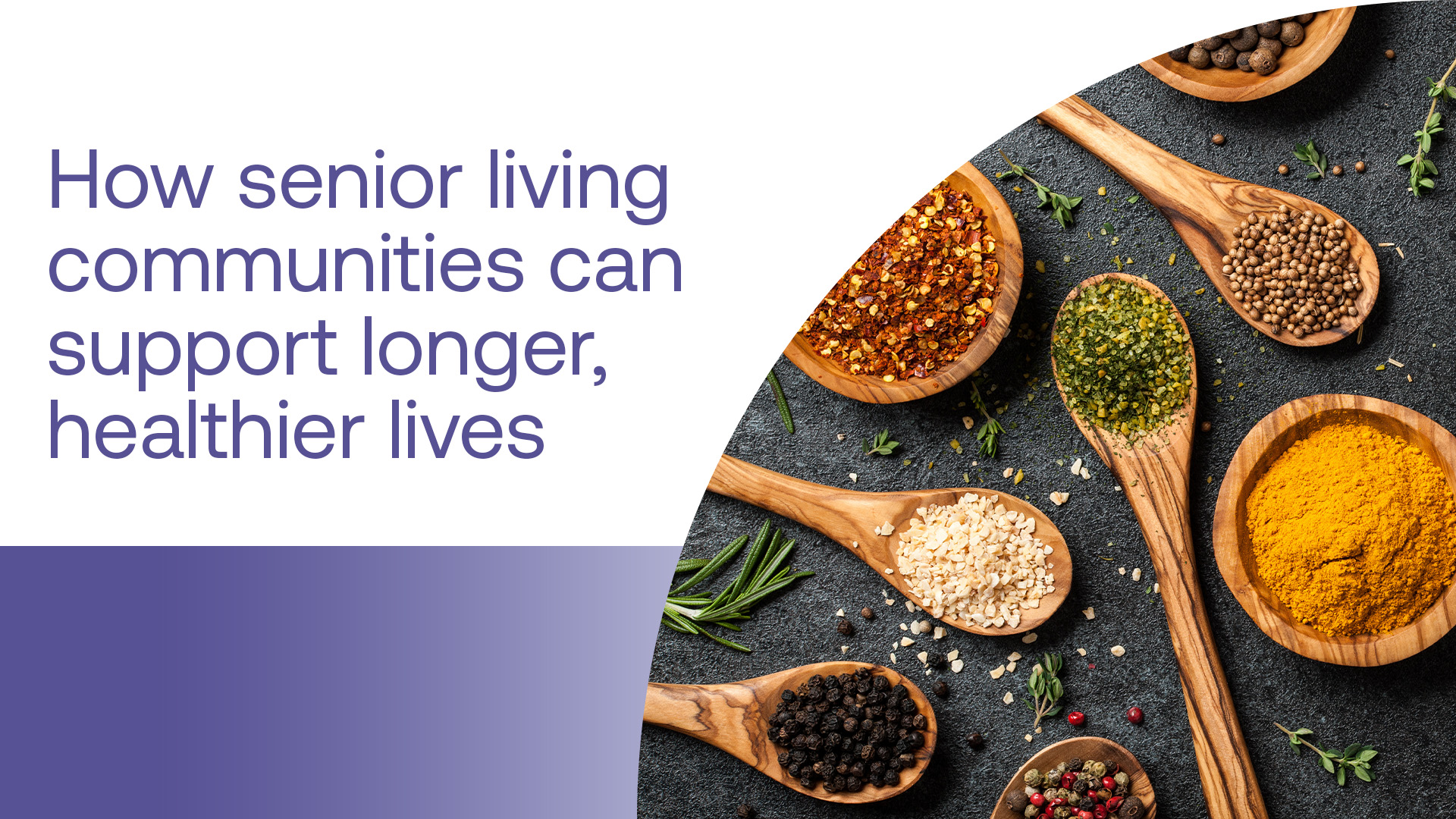
At Menno Haven Retirement Communities, the culinary team has created a monthly program that introduces residents to new herbs and spices known for their health benefits. Think turmeric, cinnamon, and ginger, ingredients that add both taste and nutritional value.
Residents get to sample these spices in familiar and new dishes while also learning about their properties, such as:
This approach turns mealtime into an opportunity for education and engagement, and it encourages residents to try healthier options without feeling pressured, according to an article written by FoodService Director.
You don’t need a full kitchen overhaul to start incorporating longevity-focused practices. Here are a few ways to get started:
Prioritize vegetable-forward meals, lean on beans and whole grains, and cut back on red meats and processed foods. Rotate in fish a few times a week and use olive oil instead of butter.
Pick one herb or spice each month, use it in multiple dishes, and share a quick fact card or tasting to engage residents.
Encourage residents to stick to a regular meal schedule within an 11 to 12-hour window to gently support time-restricted eating without making it complicated.
Instead of presenting changes as “healthy restrictions,” focus on discovery and enjoyment, new flavors, better energy, and stronger bodies.
Helping residents live longer doesn’t require expensive programs or dramatic dietary shifts. With the right mix of nutrition science and culinary creativity, senior living communities can offer meals that are both delicious and deeply beneficial.
Simple changes like choosing the right oils, spotlighting herbs and spices, and encouraging balanced eating patterns can add up to real results. And when those changes are introduced in a way that’s fun, flavorful, and resident-focused, they’re far more likely to stick.