

How can campuses serve students quicker, make dining more flexible and deal with labor constraints while simultaneously giving finance teams better visibility into auxiliary revenue?
For many colleges and universities, dining is now one of the most visible parts of the student experience and one of the largest auxiliary enterprises on campus. Expectations are rising, budgets are tightening, and institutions are being asked to do more with fewer resources.
According to a recent Student Voice survey conducted by Inside Higher Ed and College Pulse, 37% of students believe their campus dining facilities need improvement. At the same time, a NACUFS survey found that nearly half of students want dining locations to open earlier or stay open later, while 39% want more continuous service throughout the day. 1
Students expect convenience, speed, flexibility, and digital experiences that match what they receive everywhere else. The challenge for colleges and universities is delivering those experiences while maintaining operational efficiency and financial control.
Today's students don't compare campus dining to the institution across town. They compare it to the experiences they have every day.
They expect to order ahead, move quickly through service lines, access dining options throughout the day, and easily manage meal plans and account balances. When campus dining falls short of those expectations, students often look elsewhere for convenience. Long lines, confusing meal plan rules, limited payment flexibility, and outdated technology create frustration that can reduce meal plan usage, drive spending off campus, and negatively impact perceptions of the institution as a whole.
For dining leaders, this creates a difficult balancing act. Campuses are expanding dining concepts, adding retail locations, and introducing more flexible meal plan structures to meet evolving student expectations. While these changes improve choice and convenience, they also introduce significant operational complexity.
Many institutions now manage multiple dining halls, cafés, coffee shops, convenience stores, and grab-and-go concepts across campus. Each location generates transactions, consumes labor, and contributes to both the student experience and the financial performance of campus dining operations.
The challenge is maintaining consistency across every venue while ensuring students can move through dining operations quickly during peak periods. Convenience, speed, and flexible payment experiences directly influence meal plan participation, campus dining revenue, and student satisfaction. As expectations continue to rise, dining leaders need systems that simplify operations while delivering the seamless experiences students expect.
Operational pressures continue to intensify.
According to Nestlé Professional's College and University Foodservice Insights report, 55% of operators cite labor costs as one of their biggest challenges.2 Staffing shortages remain common as demand for extended service hours and expanded dining options continues to grow.
The result is a difficult reality for campus dining teams. Student expectations are increasing while labor resources remain constrained.
As NACUFS notes in its Campus Dining: 2030 and Beyond research, the future of collegiate foodservice will be shaped by growing demands for flexibility, technology integration, and new strategies for talent recruitment and retention. For campus dining teams, this reinforces the need for systems that do more than process transactions. They need technology that helps operations adapt quickly, serve students efficiently, and manage complexity across every dining location.3
Technology plays a critical role here.
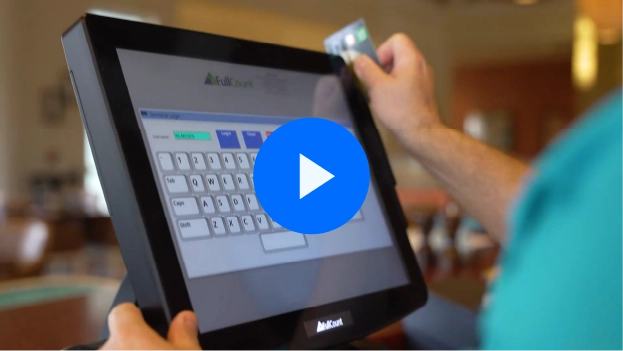
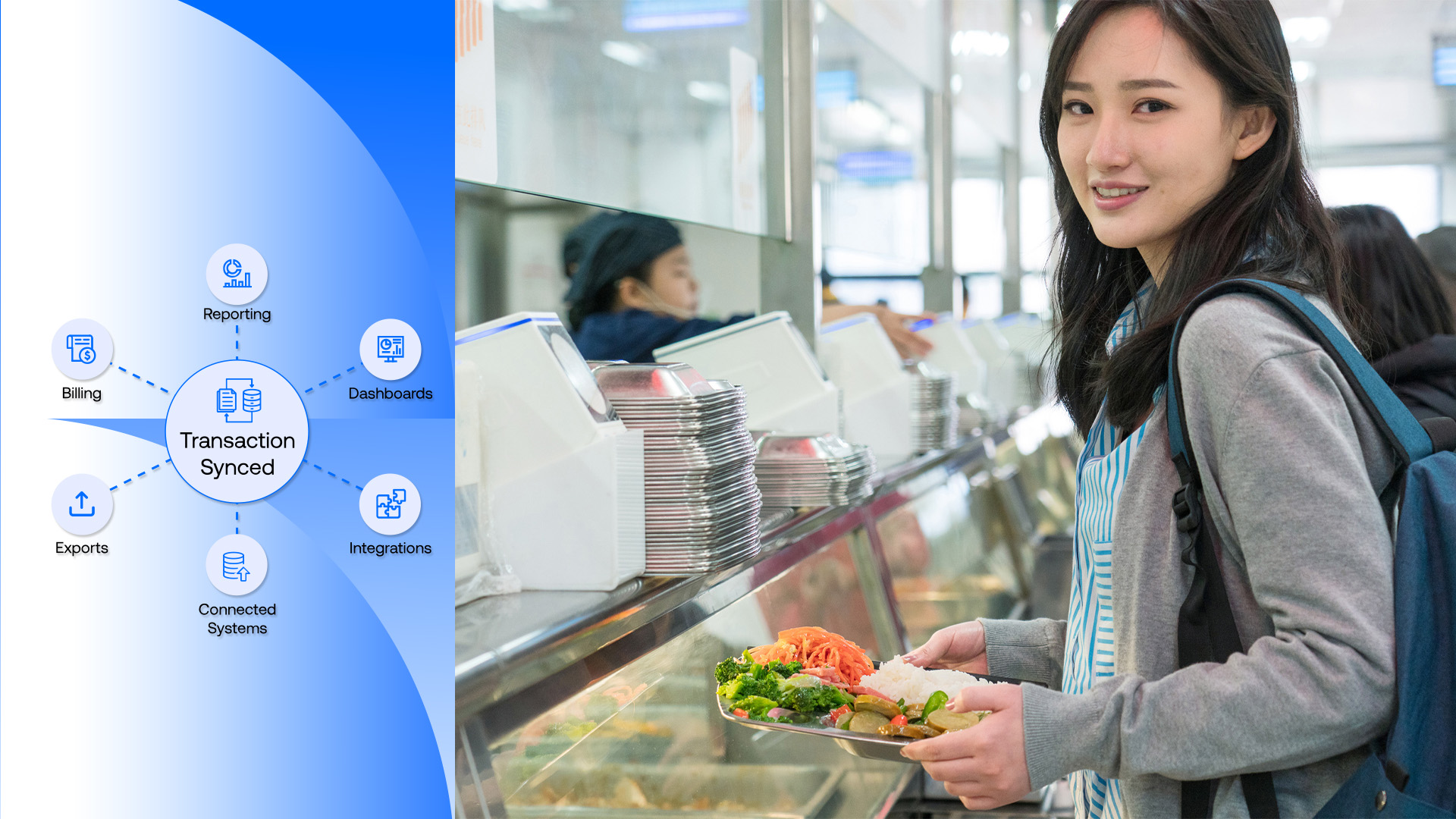
Modern campus dining platforms need to do more than speed up transactions. They need to support the workflows that keep campus dining running smoothly, including meal plan management, declining balance, campus card and account integration, online ordering, and reporting across multiple locations. When those capabilities work together, dining teams can reduce manual processes, improve visibility, and deliver a more seamless experience for students and staff.
The goal is not simply faster transactions. It is creating an operation that can move students efficiently through peak periods, reduce manual work for staff, apply meal plan and declining balance rules consistently, and scale across campus without adding unnecessary complexity.
While dining leaders focus on service and student satisfaction, finance and operations teams are looking at the same challenges from a different perspective.
Campus dining generates thousands of transactions every day. Meal plans, declining balance programs, retail purchases, faculty dining accounts, and special programs all create financial activity that must be tracked, reconciled, and reported accurately.
At the same time, many institutions are facing enrollment uncertainty and increased pressure to maximize the performance of auxiliary services.
As colleges look for new ways to strengthen financial performance, dining operations have become increasingly important. Revenue opportunities now extend far beyond the traditional dining hall and include retail dining, convenience stores, branded concepts, and mobile ordering programs.
Yet many institutions continue to rely on legacy systems that were designed for a different era of campus dining.
These systems often create challenges around reporting, operational visibility, and adaptability. Data becomes fragmented across locations. Reporting requires manual effort. New service models are difficult to implement.
When dining operations become more complex, the limitations of legacy technology become more visible.
The future of campus dining is not simply about serving more meals.
It is about creating an ecosystem that supports student expectations while providing operational and financial control.
Dining leaders need visibility into throughput, service performance, and meal plan utilization. Finance teams need accurate transaction data and reporting. Operations leaders need consistency across locations. Students want convenience, flexibility, and transparency.
Increasingly, all these outcomes depend on the same thing: a platform capable of supporting dining operations.
Technology alone will not solve every challenge facing higher education dining. However, institutions that continue relying on systems built for yesterday's operating model may find it increasingly difficult to meet tomorrow's expectations.
The campuses that succeed over the next decade will be those that deliver both exceptional student experience and efficient, scalable operations.
Because in modern higher education, dining is no longer just a service. It's a strategic asset.
Fill out the form below to learn more about what an enterprise Point of Sale system could do for your campus!