


Peak meal periods are where campus dining either feels controlled or completely reactive. For a Campus Dining Manager, the lunch rush is not just busy, it’s compressed, high-volume, and unforgiving.
When peak periods are chaotic, it usually looks the same across campuses. Checkout slows down, transactions feel inconsistent, and staff get stuck in small moments of friction that add up fast. Students hesitate, shift lines, or abandon purchases altogether. And most dining teams don’t have the labor budget to “staff their way out” of it, especially when the real issue is the checkout workflow.
Why peak periods get messy in higher education dining
Higher ed demand hits differently than most retail environments. Campus dining isn’t a steady stream, it’s a surge based on class schedules and limited windows between lectures, labs, practices, and work shifts. That means even a short slowdown at the register turns into a real bottleneck.
Meal plans and campus accounts add a second layer of complexity. The POS experience isn’t just scanning items and taking a card. It may involve meal swipes, declining balance, plan rules, eligibility logic, and exceptions, all under pressure, with a long line behind the student.
What’s actually causing the slow line (even with a good team)
Dining managers are often asked to “fix the line,” but many peak-hour problems are not staffing issues. They’re transaction-flow issues. The register becomes the choke point, even when foodservice execution is strong.
Common causes include:
That’s why small delays turn into long lines. Five seconds of friction per student becomes real time when you’re processing hundreds of transactions in a short window.
Why dining managers should care (beyond “shorter lines”)
Line length is the most visible symptom, but checkout slowdowns create operational problems that stick around after the rush is over.
When transaction flow breaks down, you’re more likely to see:
And when the student experience takes a hit, it usually shows up in the feedback that matters most: “I don’t have time to wait,” or “it takes too long,” even if the food quality is strong.
What improves peak-hour throughput without adding labor
The most effective improvements don’t come from forcing staff to move faster. They come from removing friction in the process so staff can stay consistent under volume.
The biggest throughput gains usually come from three things:
What to look for in a campus dining POS system
If you’re evaluating a campus dining POS system or planning improvements, focus on what directly impacts speed and accuracy during high volume.
Here are the capabilities that usually matter most:
These are not “nice-to-haves” during peak periods. They’re what separates a checkout experience that holds up under pressure from one that breaks down daily.
Your Campus Dining Solution
Once you’ve identified that peak-period chaos is tied to transaction flow, the next step is selecting a system designed for campus dining realities.
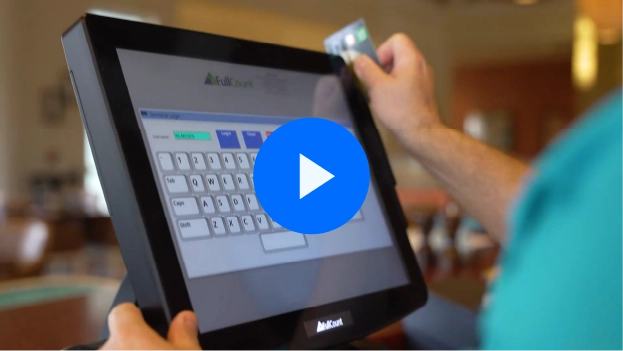
FullCount Education supports faster peak-hour service through POS + meal plan functionality built to reduce friction at checkout. The goal is simple: help your team move students through the line faster, with fewer interruptions, and fewer transaction issues during the rush.
If peak periods consistently feel chaotic, it’s rarely because the team isn’t working hard enough. It’s usually because the checkout flow is adding friction when the operation can least afford it.
When you improve POS speed and meal plan consistency, you get outcomes dining managers care about immediately:
Want to see how FullCount Education works on your campus?
Get started below!