


Most campus dining teams think about meal plans in terms of access and convenience. Does the plan work? Can students use it where they expect? Does checkout move fast enough?
Accuracy often comes second, until it doesn’t.
When meal plan transactions are only “mostly right,” the problems rarely show up during the rush. They surface later, when dining managers are pulled into billing questions, finance teams flag discrepancies, or students challenge charges they don’t understand. By then, the damage is already done.
For campus dining managers, meal plan accuracy is not just a finance issue. It’s an operational one.
A single incorrect transaction does not feel urgent in the moment. During peak periods, the priority is keeping the line moving. But when small errors repeat across hundreds or thousands of transactions, they add up quickly.
What starts as a minor exception can turn into:
Dining managers often feel the impact indirectly. Even if accounting owns reconciliation, dining is usually asked to explain what happened at the point of sale. That pulls time away from staff management, service quality, and day-to-day operations.
Higher education dining is complex by design. Meal plans are rarely one-size-fits-all, and that complexity increases the risk of inconsistency at checkout.
Some of the most common contributors include:
Meal plans with layered rules: Declining balance, meal swipes, rollovers, and exceptions all create edge cases. If the POS system does not handle these rules cleanly, staff are forced to interpret them in real time.
Inconsistent workflows across locations: When different dining venues follow different checkout processes, accuracy depends on memory instead of the system. That becomes risky during busy shifts or when staff rotate between locations.
Manual intervention during peak periods: When something doesn’t work as expected, staff often push transactions through just to keep the line moving. Those decisions may solve the immediate problem, but they create cleanup work later.
Lack of visibility into transaction data: If dining teams cannot easily review what happened at the register, resolving questions becomes slower and more frustrating for everyone involved.
It is easy to assume that billing accuracy lives with accounting. In practice, meal plan issues almost always loop back to dining.
When students question charges, they often start with the dining team. When finance sees discrepancies, they ask dining to help explain them. And when errors become frequent, leadership looks for operational changes, not just accounting fixes.
Accurate meal plan processing protects dining operations by:
Accuracy also supports speed. When staff trust the system, they hesitate less at checkout. That helps peak periods run more smoothly and reduces the temptation to force transactions through.
Accuracy is not about slowing down service or adding extra checks. It comes from systems that handle complexity in the background so staff do not have to.
At a minimum, campus dining teams should expect:
When those pieces are in place, accuracy becomes part of daily operations, not something that has to be fixed later.
Once dining managers recognize that recurring meal plan issues are coming from transaction handling, the next step is choosing technology designed for higher education dining.
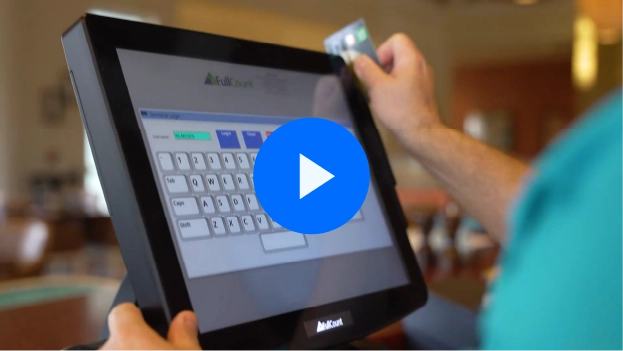
FullCount Education combines POS and meal plan functionality in a way that supports clean, reliable charge capture at the point of sale. Transactions are handled consistently, student accounts stay accurate, and dining teams gain better visibility into what actually happened during service.
The result is fewer billing questions, less reconciliation effort, and more confidence across dining and finance.
Meal plan accuracy is easy to overlook when the line is long and staff are stretched. But small errors at checkout often create the biggest headaches later.
When accuracy is built into the POS and meal plan workflow, dining managers spend less time explaining transactions and more time running a better operation. That benefits staff, finance teams, and students alike.
If meal plan questions or billing cleanup are becoming a recurring issue on your campus, it may be time to take a closer look at how transactions are handled at the register.
Click below to learn more about accurate service and billing in campus dining!